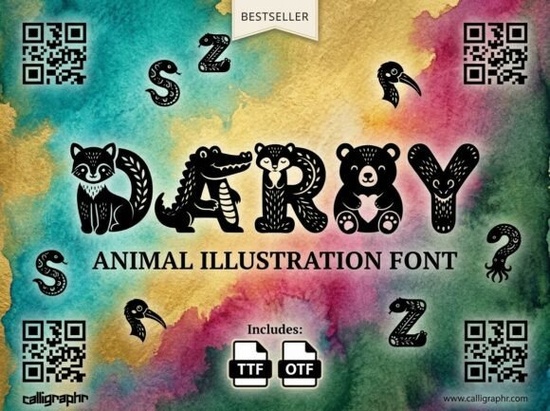
When searching for a typography piece that feels both handmade and historically rooted, finding the right balance between readability and artistic detail can be challenging. Darby Font steps into this gap by offering a distinct visual narrative through thick, chunky letterforms filled with intricate details. This asset transforms standard block letter shapes into something resembling a gallery of Scandinavian and Slavic craft designs. For designers looking to add depth to projects without relying on complex illustration work, the deep black contours packed with negative-space cutouts provide a unique texture that mimics woodblock carvings. Whether you are building a brand identity or finishing a personal craft project, understanding how such a specialized tool functions is essential.
What creates the handcrafted aesthetic?
The defining characteristic of this typeface is how every single letter acts as an individual canvas. Instead of uniform strokes, you get blooming floral rosettes, symmetry-perfect botanical leaves, and miniature animal totems nestled within the structure of the characters. Tiny paw prints and delicate starlight dots appear randomly throughout the glyphs, ensuring that no two sections feel identical. This level of intricacy moves beyond typical decoration, functioning more like a relief carving than ink on paper. If you have worked with standard decorative fonts, you know the struggle of finding high-density patterns that do not clutter the composition. These dense details remain legible even at smaller sizes because the overall shape of the alphabet retains its chunky foundation.
Because the style leans heavily toward traditional craftsmanship, it pairs exceptionally well with specific types of imagery. Imagine placing the text over colorful tapestry textures, rich embroidery backdrops, or clean textured paper fields. The visual noise of the font complements organic backgrounds rather than competing with them. While some modern aesthetics focus on flat minimalism, this approach embraces the history of physical making. Exploring resources like those found in the botanical laurel collection might offer further inspiration for integrating nature motifs alongside this lettering style.
Where does this font perform best?
Identifying the right application prevents misuse of assets that rely heavily on visual weight. Enthusiasts often utilize this enchanting decorative asset as an extraordinary creative shortcut for children’s fairytale book titles where whimsical elements matter. The woodland creatures and animal totons within the letters resonate strongly with young audiences, adding hidden discovery elements to the reading experience. Beyond publishing, artisan kitchen and cottagecore branding benefit significantly from the cozy winter festival promotional material potential. Boutique organic food packaging labels also find a natural home for this font, as the heritage vibe signals quality and tradition to consumers.
For print-on-demand sellers, licensing access to Darby Font allows for immediate production of unique t-shirts, tote bags, and home decor items. The heavy stroke width ensures that vinyl cutting remains manageable, avoiding issues with tiny fragments breaking off during weeding. Custom holiday crafting projects similarly thrive under this design influence, especially during autumn or mid-winter seasons where warmth and rustic charm are priorities. However, success depends on proper pairing with secondary typefaces that do not distract from the main display text.
How should you pair it for balance?
A major pitfall in using highly detailed fonts is combining them with other busy graphics. The key is to keep supporting text simple so the primary message lands clearly. A clean geometric sans-serif often works best for body copy or subheadings. For contrast, some creators prefer darker, moodier styles to create a specific atmosphere in their posters. You might compare the tonal impact of this piece with options seen in mystery themed libraries to understand how lighting and shadow affect readability.
If your project requires a softer, more free-flowing aesthetic instead of rigid block structures, checking out styles like the ones available in the tattoo font section could reveal alternatives that share that hand-drawn lineage. Sometimes switching to a script or a lighter weight helps the viewer breathe around the bold main title. The goal is harmony, where the font supports the image rather than dominating every pixel of space. Remember that spacing is crucial; increased letter spacing allows the internal carvings to shine without feeling cramped.
Practical Implementation Checklist
- Download and Install: Extract the files and double-click to install before opening your design software.
- Set Size Appropriately: Try using sizes between 24pt and 72pt to ensure details like paw prints remain visible.
- Kerning Adjustment: Manually adjust spacing between letters if the floral cutouts overlap undesirably.
- Test Print: Create a small sample printout on cardstock to see how the texture transfers physically.
- Licensing Verification: Confirm whether your commercial license covers unlimited merchandising for platforms like Etsy.
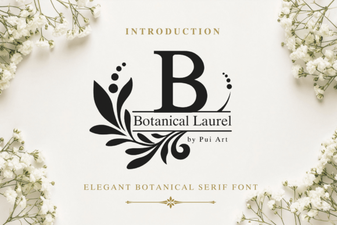 Craft Elegance with Botanical Laurel Font Design
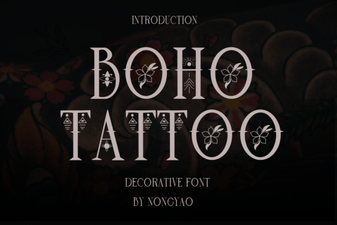 Free Boho Tattoo Fonts for Creative Design Projects
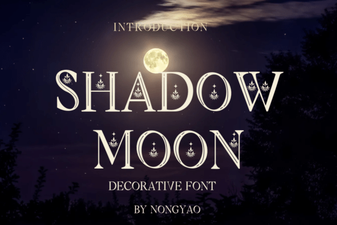 Shadow Moon Font: Design Projects & Inspiration
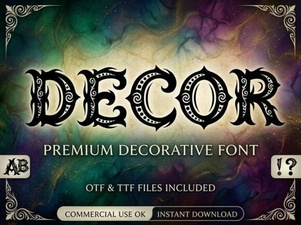 Creative Decor Fonts for Your Diy Projects
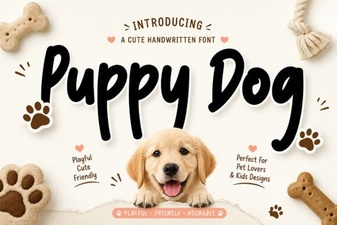 Fun Fonts for Puppy-Themed Projects & Crafts
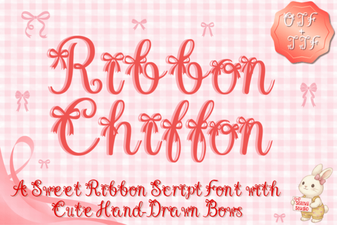 Effortless Fonts for Elegant Web Design