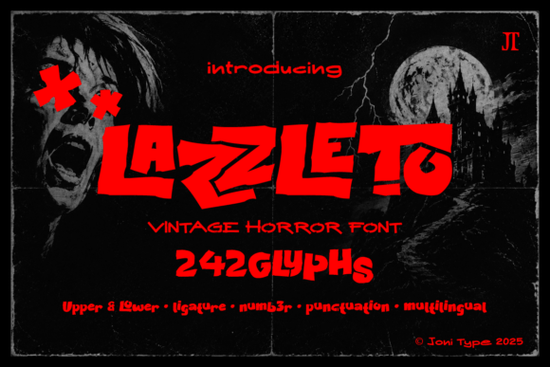
If you are creating spooky visuals for a Halloween campaign or a band poster, the typography needs to carry weight immediately. Lazzleto stands out because it does not rely on standard geometric rules. Instead, it leans into the rough textures of handwritten notes and old street art. This choice helps your project look authentic rather than digitally generated.
What makes this typeface distinct?
The visual appeal comes from its chaotic anatomy. Unlike clean sans-serif letters, the strokes vary in thickness and show intentional imperfections. It mimics the feel of markers dragged across pavement under dim streetlights. These distortions create a sense of movement and unease, which is exactly what horror media requires. You do not need complex editing software to make your design pop; the character shapes do the heavy lifting.
It blends nostalgic aesthetics with experimental ideas. This balance ensures that while it looks dated, it still reads clearly on modern screens. The rough edges give it a handmade reputation, suggesting that the creator put physical effort into the message. This psychological detail often persuades viewers to pay more attention to the artwork.
Technical specifications and coverage
Beyond the aesthetic, usability is key for professionals who sell digital assets or print merchandise. This collection includes 242 glyphs total. That count covers uppercase and lowercase letters, numbers, and standard punctuation marks. You will also find special ligatures that connect specific letter pairs smoothly, which helps when spacing out titles.
Multilingual support is another critical feature. If your business targets customers outside English-speaking regions, having access to extended Latin characters prevents formatting errors. You can drop accents and diacritics where needed without changing files. Having these ready-to-use elements saves hours of manual correction time during production.
Ideas for application
This font excels in high-impact scenarios. Graphic designers often choose it for YouTube thumbnails where quick recognition beats subtlety. Streamers might use it for overlay graphics to match gaming personalities that embrace darker themes. Print-on-demand sellers frequently apply it to t-shirt designs because the texture translates well onto fabric ink.
Sometimes a single font style is not enough for a full brand identity. Designers often mix it with other styles to create hierarchy. For instance, if you need a retro vibe for a music album cover, the curves resemble the Vinyl Player aesthetic, though this option remains more jagged. Conversely, for a lighter vintage touch like on a high school banner, a softer serif might pair well, similar to options found in the Varsity Graduate collection.
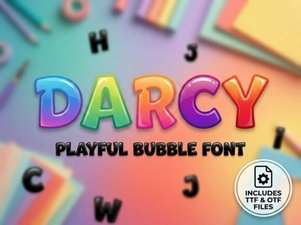
If the horror element becomes too overwhelming, switching to a more organic structure could help. In those cases, a font with rounded edges like the Darcy font might soften the overall composition without losing personality. For a completely different mood involving grittiness but less horror, the Safari font offers a rugged exploration theme that complements adventure branding.
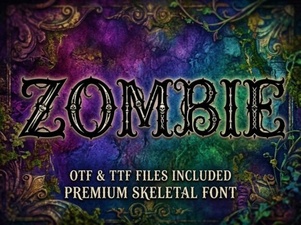
However, if you want the scares to stay central, look for deeper cuts in the design family. Similar to the sharpness in the Zombie font, this choice captures decay and disruption effectively. It creates a cohesive look when paired with low-resolution photography or grainy filters commonly seen in indie films.
Practical tips for printing
Before committing to a large batch order, always test the kerning settings. Because the letters have irregular widths, automatic spacing algorithms sometimes push gaps between characters that look awkward. You may need to adjust tracking manually in your design software. Additionally, avoid placing the text over busy photographic backgrounds. High contrast is necessary since the font relies on white space to maintain readability.
- Check Resolution: Save your final image at 300 DPI minimum for screen printing.
- Verify Licenses: Confirm the specific commercial rights for your region before selling physical goods.
- Test Colors: Dark gray text often looks better on black fabric than pure black, adding depth to the texture.
- Download Fonts: Ensure you install both OTF and TIF versions compatible with your operating system.
Next steps for your project
To get started, download a demo package and place sample text on your canvas. Experiment with colors like blood red, moss green, or electric purple to see how the hue interacts with the dark edges of the letterforms. Remember that consistency is what makes a font collection feel complete. Using it alongside other props and illustrations will unify the final piece.
Explore Design Effortless Fonts for Elegant Web Design
 Discover Darcy Font for Creative Typography Projects
 Best Zombie Fonts for Horror Projects
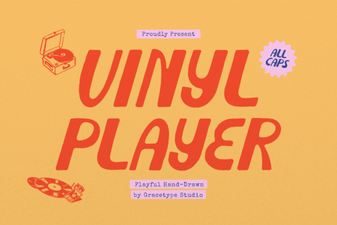 Choosing a Font for Your Vinyl Player Project
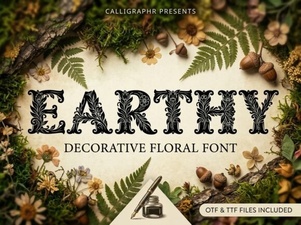 Discover Earthy Fonts: Design Tips & Creative Projects
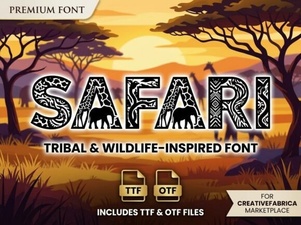 Crafting with Safari's Unique Web Typography