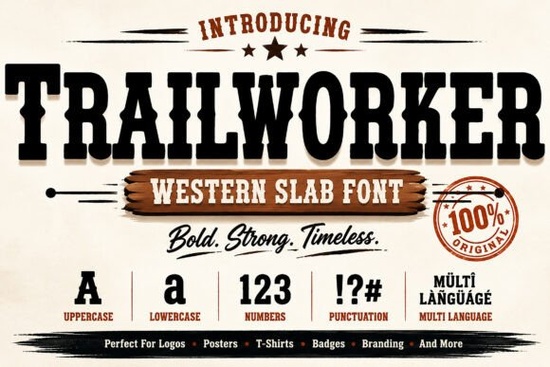
If you are working on a project that requires a bold statement, the Trailworker Font provides the heavy visual weight needed to catch attention immediately. This typeface captures the spirit of old railroad signs and industrial workshop labels with clean, sturdy letterforms. It is specifically designed for creators who want to convey durability and authenticity without relying on overly ornate decorations. Whether you are setting up an online store or designing a physical poster, having a tool that fits the narrative is essential.
This font is not just another decorative element; it serves as a foundation for branding that needs to stand up to scrutiny. The characters are constructed to remain readable even when scaled down or applied over textured backgrounds. By choosing a slab-serif style, you align your project with traditions of American craftsmanship and heritage. It avoids the delicate nature of script fonts and instead opts for structural integrity, making it ideal for headlines and large display tasks rather than body copy.
Does it offer the right texture for rustic projects?
When selecting a typeface, the texture matters just as much as the shape. Trailworker features thick vertical strokes and consistent weight distribution that mimics chiseled stone or stamped metal. This quality makes it particularly effective for masculine branding or outdoor adventure themes. You will notice that the serifs are sharp and blocky, which adds to that industrial personality. Unlike softer display fonts that feel friendly or playful, this one commands respect and implies reliability.
Visual consistency is a key factor here. Every character shares the same robust energy, ensuring your design does not feel disjointed. If you plan to mix it with other elements, stick to complementary shapes or clean geometric accents to maintain focus. For designers seeking additional options with a similar industrial vibe, browsing a dedicated collection of industrial style typefaces can help you compare stroke widths and spacing metrics before finalizing a choice.
The character set includes uppercase letters, numbers, and necessary punctuation marks. While there are no lowercase variants, this is typical for display fonts where maximum visibility is prioritized over continuous reading flow. Using it in all caps creates a unified visual block that works well for logos or headers on packaging. It handles kerning effectively enough that spacing feels balanced without excessive manual adjustment.
Can I use this for print-on-demand products?
Sellers in the print-on-demand space often struggle to find assets that look professional yet unique. Using generic stock images can result in products that blend into the competition, but custom typography helps define your brand identity. Since this font has a strong historical reference, it pairs well with vintage-inspired clothing or home decor items. Imagine applying the text to t-shirt graphics, tote bags, or even wooden wall art.
- T-Shirt Graphics: Large chest prints work best with bold lettering.
- Packaging Labels: Use it for product names on coffee or spice jars.
- Mug Designs: High contrast text stands out on dark ceramics.
- Book Covers: Title text pops against complex background illustrations.
To ensure high-quality output, always export your vector files if you have them. This allows you to scale the artwork without losing edge clarity. If you are uploading raster images to a platform, try to keep the resolution at least 300 DPI. Many crafters also appreciate that the letters hold their shape well when converted to outlines for cutting machines like Cricut or Silhouette, reducing the risk of pixelation during vinyl cutting.
Are there other slab options worth considering?
While the current selection suits a rugged theme perfectly, different projects might call for a slightly different flavor. Sometimes, a more refined slab serif works better for editorial layouts or sophisticated branding. If your client prefers a cleaner aesthetic but still wants that solid structure, it is helpful to review libraries that focus on classic library or academic styles. Checking resources like classic slab serif collections can provide insights into how to adjust spacing and pairing for a more formal tone.
Finding the balance between artistic flair and usability is critical. If you find this font too aggressive for your specific niche, try reducing the size significantly or combining it with a lighter sans-serif for subheadings. This contrast helps break up the wall of text and guides the reader's eye through the information hierarchy naturally.
For anyone interested in exploring the full range of glyphs and testing the preview options directly, the official listing for Trailworker allows you to download trial files safely before committing to a purchase.
Quick Implementation Checklist
- Download Verification: Confirm the license agreement matches your intended commercial use.
- Font Installation: Install the file on your local system and check for any spelling errors in previews.
- Mockup Testing: Place the text over actual product images to check for legibility and contrast.
- Outline Conversion: Convert text to curves/outlines in your design software before final delivery.
- Backup Files: Save the original .otf or .ttf files separately from your project documents.
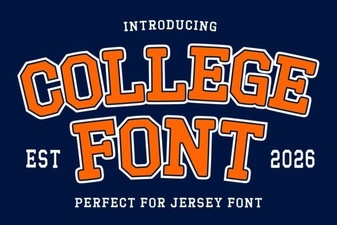 Best College Fonts for Student Projects
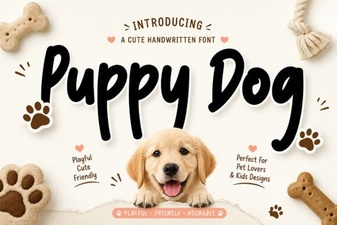 Fun Fonts for Puppy-Themed Projects & Crafts
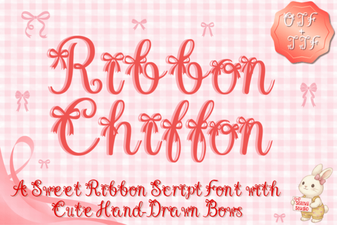 Effortless Fonts for Elegant Web Design
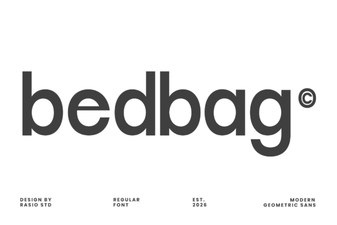 Bedbag Font: Creative Typography for Design Projects
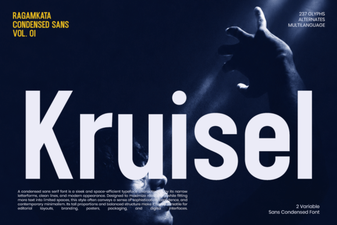 Kruisel Font: Tips for Creative Design Projects
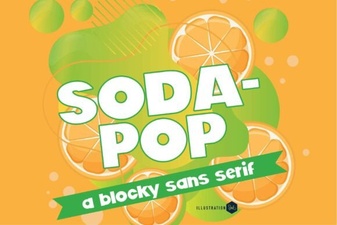 Design Projects Using Soda Pop Family Font